
Bill includes Hanna initiative to improve rural drinking water
The House of Representatives this afternoon authorized a comprehensive spending package that invests in America’s ports, channels, locks, dams, and other infrastructure that supports the maritime and waterways transportation system and provides flood protection for communities throughout the nation.
The Water Infrastructure Improvements for the Nation, or WIIN Act, also includes the Water and Waste Act of 2016 to help communities meet the requirements of the Safe Drinking Water Act. In addition, the legislation addresses significant tribal and natural resources issues.
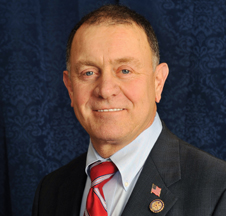
U.S. Representative Richard Hanna voted in favor of the bill. Rep. Hanna, a member of the House Transportation Committee, included a provision in the bill that would improve rural drinking water infrastructure throughout the United States and particularly in small, rural communities like those in upstate New York. The Hanna amendment ensures that the U.S. Department of Agriculture (USDA) and the Environmental Protection Agency (EPA) technical assistance includes information on well water systems, and it requires small communities self-certify that they have assessed well systems as an infrastructure option. Both the USDA and EPA already provide technical assistance to local communities interested in pursuing water infrastructure projects; while valuable, this does not include information on well water systems, which are often a far more cost-effective alternative to traditional drinking water systems.
“This infrastructure bill will make critical investments throughout the nation and includes important provisions for upstate New York,” Rep. Hanna said. “It includes language to improve rural drinking water systems that are essential to many communities in the 22nd Congressional District. I am pleased to see this bill pass with wide bipartisan support and I look forward to the Senate passing the measure.”
The House passed the WIIN Act on a bipartisan basis by a vote of 360 to 61, sending the bill to the Senate.
THE WIIN ACT AT A GLANCE
Water Resources Development Act: The bill authorizes Army Corps of Engineers Chief’s Reports received since 2014. All of these infrastructure improvements have been proposed at the local level, in cooperation and consultation with the Corps, and have national economic and environmental benefits. Each Chief’s Report has also been fully vetted by the Committee at hearings this year. The bill also authorizes studies for future water resources improvements and makes modifications to previous authorizations. It also strengthens reforms established under the Water Resources Development Act allowing for greater local participation in project selection and accelerates and broadens reforms for infrastructure project permit processing.
Fiscally responsible: WIIN fully offsets new authorizations and ensures that authorizations for inactive projects will sunset to prevent future project backlogs. It also saves taxpayers money by shedding excess property no longer needed by the Corps.
Safe drinking water: The bill makes changes to the Safe Drinking Water Act and the Solid Waste Disposal Act to help communities, particularly economically distressed ones, pursue better quality drinking water and obtain certainty for protecting a community’s economic, environmental, and public health well-being. This bill equips communities with programs and activities to reduce concentrations of lead in drinking water, including the replacement of lead service lines. The bill also creates a voluntary program for testing for lead in school and childcare center drinking water.
Drought relief: The WIIN Act expedites water storage and delivery, and alternative water supply programs in the West to help drought-stricken communities. Also provides regulatory flexibility to capture more water in existing reservoirs during the wet months in California while not changing the Endangered Species Act.
Great Lakes region: The legislation authorizes a non-regulatory program for watersheds in Delaware, New Jersey, New York, and Pennsylvania without additional federal funding. Enhances environmental restoration and forest management activities in the Lake Tahoe Basin and improves initiatives to benefit fish and wildlife in the Great Lakes.