
Guest Column
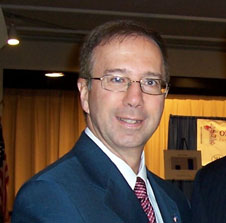
By Senator Joseph Griffo
(Rome, NY – Nov. 2014) Which is safer: using a cell phone while driving or using a hands-free device for a cell phone while driving?
If you answered the latter, you are in good company. A National Safety Council poll indicate 80 percent of American motorists believe that hands-free devices are safer than using a handheld phone.
However, the conclusion of more than 30 scientific studies and reports say that – regardless of how a cell phone is used – a brain cannot safely multitask while driving. Let me repeat: According to scientists, you are no safer using a hands-free device than you are a handheld phone while driving.
New York’s distracted driving laws, I worry, are perpetuating this myth. If you are caught using a handheld phone for talking, texting or sending an e-mail while driving, you can face up to $150 in fines and five points on your driver’s license. The penalties are even stiffer for young drivers. The laws, however, do permit you to use your phone in “hands-free” mode.
Many car companies have responded to tougher cell phone and texting laws by creating voice-activated “infotainment systems,” which can help you make a call, send a text, get directions or play your favorite tunes. Some can even update your Facebook status or send a tweet while you drive. The NSC poll found that 53 percent of respondents assumed hands-free calling must be safe if car manufacturers were adding it to vehicles.
So let’s review the facts:
- Car wrecks are the top cause of unintentional deaths in the United States.
- Ninety percent of all crashes are caused by driver error.
- Twenty-six percent of all crashes involve cell phone use, including hands-free operation.
- When listening or talking on a phone, the activity in the area of the brain that processes moving images decreases by up to one-third. That means drivers can miss up to 50 percent of what’s around them when talking on a cell phone, regardless of how it’s operated.
- Drivers talking on phones, handheld or hands-free, are four times more likely to be involved in a car crash.
- An University of Utah study found that drivers using cell phones had slower –yes, slower – reaction times than drivers with a .08 blood alcohol content, which is the legal limit for intoxication in New York.
New York has been recognized as having some of the toughest talking and texting while driving laws in the country. We should continue to be a nationwide leader by recognizing that hands-free cell phone use behind the wheel is no safer than the handheld use we’ve already forbidden – and consider changes to our laws.